
SUNDAY CHRISTIAN EDUCATION
SUNDAY CHRISTIAN EDUCATION
SUMMER 2024
Sunday Morning Classes
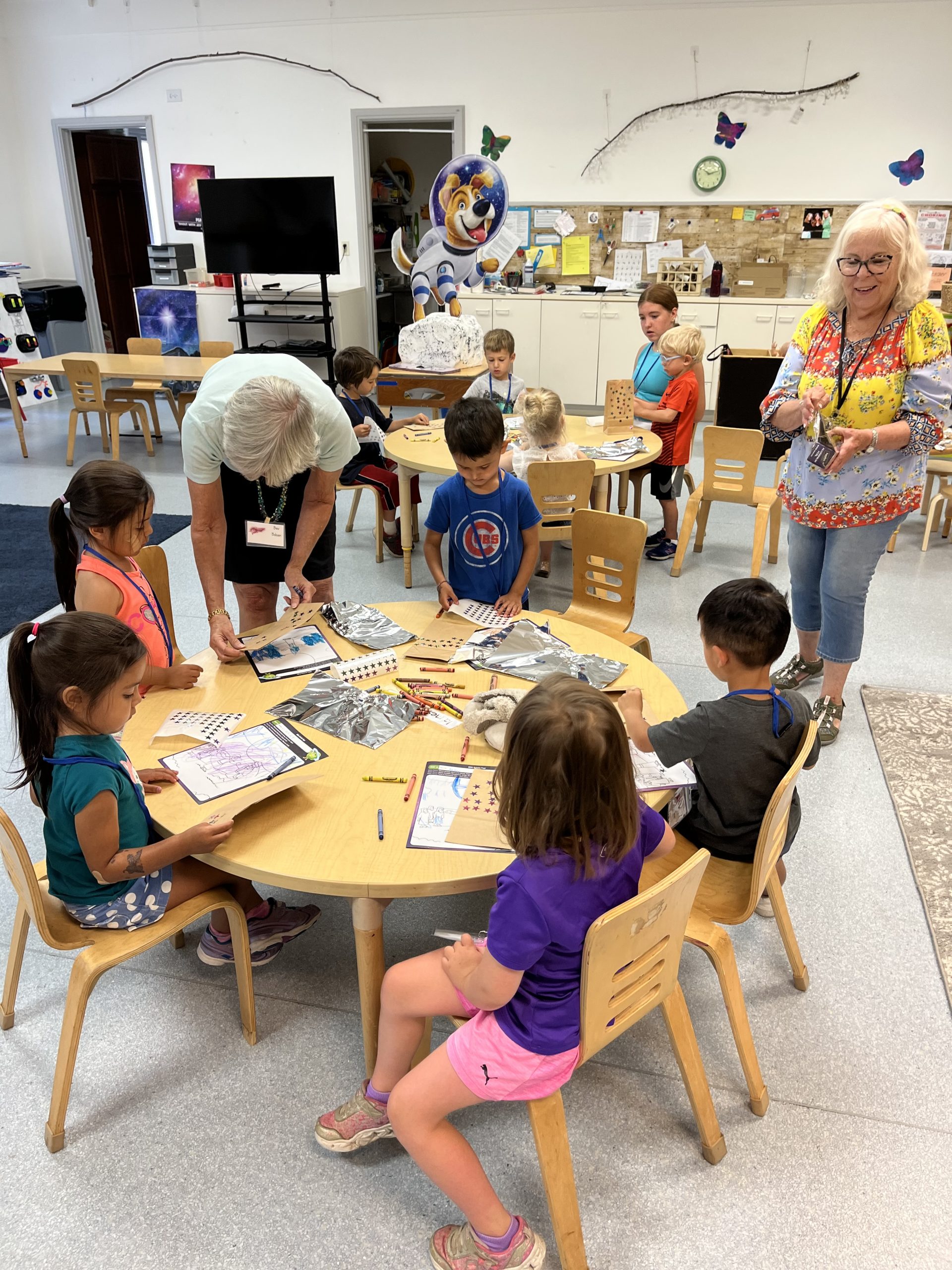
Children’s Education & Childcare
Sundays during the Service
Children’s Message – Each week, a brief children’s message is presented during the service. Children are invited to come to the steps of the Chancel (at the front of the Sanctuary) to hear and respond to the message.
Children’s Worship Time – Children ages 3 and up are invited to take part in a special worship and teaching time each Sunday during the Sermon in the Choir Room! Parents have the option of having their children return to the Sanctuary after the sermon or stay in the Choir Room until the worship service is over.
The Nursery will be open from 10 a.m. to noon.
Please note; class schedules can change during holiday periods or based on other schedule conflicts or other unforeseen events.
Adult Education
Sundays at 11:30 a.m.
PILLARS OF REFORMED CHRISTIAN FAITH
Video lectures by R.C. Sproul
Facilitated by Richard Bell
Pillars of Reformed Christian Faith is an examination of the biblical truths that inform and instruct believers about what they should believe and how they should live. Class meetings begin with a lecture by R.C. Sproul from his famous series, Foundations; An Overview of Systematic Theology, and continue with discussion in seminar format.
The general subjects of Parts I and II were God’s revelation and God’s nature. The general subject of this part is sin and redemption, comprising lectures entitled Angels & Demons, The Creation of Man, The Nature of Sin, Original Sin, Transmission of Sin, The Covenants, The Christ of the Bible, The Christ of the Creeds, The Names of Christ, The States of Christ, The Offices of Christ, The Substitutionary Atonement, Why Did Christ Die?, and The Extent of the Atonement.
THE BOOK OF ACTS
Taught by John Mauck
The Book of Acts was written by Luke—with the Apostle Paul’s extensive assistance—to defend Paul on the occasion of his pending trial before Nero and to bring the most important news in world history to the capital of the Empire, to the Roman hierarchy, to Nero himself, and to the Gentilr world. (Acts 20:24 23:11, 25:10-11, 26:32,27:24).
This class, taught by First Pres member John Mauck, will provide the following takeaways:
- New understanding of how Acts can help us understand the present-day conflicts over Jewishness, Islam, Christianity, and American political, social and moral issues.
- New evidence for the resurrection of Jesus, and the historicity of Acts.
John Mauck is a long time teacher at FPCE, a lawyer, and the author of the award winning Paul on Trial which, together with the Bible, will be the texts for the anticipated 23 Winter and Spring class sessions.